1947 46-48 52 / BIBLE /NEW TESTAMENT / HISTORY / Dead Sea Scrolls 1947–1956
PROPHESY / DECEPTION

Defenders Of The Faith - Not all “Bibles” are the same, stick to the old faithful! #KJVO


I WANTED TO KNOW - WHY?
1947 46-48 52 / BIBLE REVISED = RSV REVISED STANDARD VERSION
AND NEW TESTAMENT - CHANGED? = BECAUSE OF 1947 ROSWELL?
OLD TESTAMENT (BC) / NEW TESTAMENT BIBLE - CHANGED = BIRTH OF JESUS CHRIST
BIBLE HISTORY With vast changes over thousands of years = Manipulation =
75 CONCEALED / HIDDEN / MISSING / LOST BOOK OF THE BIBLE!
Dead Sea Scrolls, Found 1947–1956 - Confirm = PROPHESY / DECEPTION
THE BIBLE AND ALL IT'S BOOKS ARE IMHO
BASED ON TRUTHS - VERIFIED BY CULTURES AND CIVILIZATIONS WORLDWIDE
BUT THE TRUTH IS THAT MUCH OT THE TRUTH HAS BEEN COVERED UP BY THE CHURCH AND OUR OWN GOVERNMENTS
Bible Secrets: List of 75 Missing Books Removed from the Bible
The Bible has been an essential religious text for centuries, but did you know that there are dozens of "lost" or "missing" books that were once part of the Bible?
These books are collectively known as the "lost books of the Bible" and were removed from the Bible for various reasons, including their controversial or heretical content.
https://humblefaithful.com/blogs/news/bible-secrets-list-of-75-missing-books-removed-from-the-bible
The Bible contains a total of 66 books, divided into the Old Testament and the New Testament. There are 39 books in the Old Testament and 27 in the New Testament.
A WHOLE WAS LITERALLY CUT OUT OF THE BIBLE!


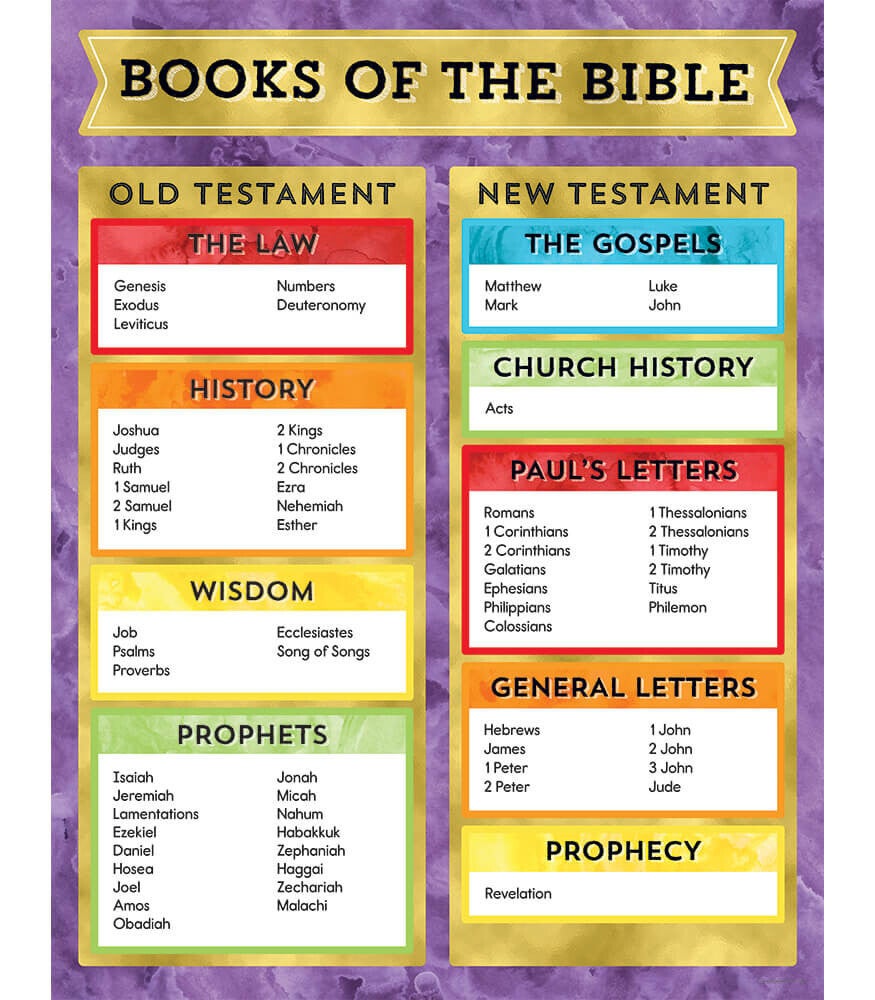

What Is the Apocrypha?
The Apocrypha is a list of 14 books that were ultimately excluded from the Hebrew Bible canon
by Jews and by Protestant Christians, who left them out of their Old Testament canon. The Greek word “Apocrypha” simply means “concealed.”
https://www.bartehrman.com/when-was-the-apocrypha-removed/
----------
SO THE MANIPULATION OF THE BIBLE BASED ON TRUTHS - HAS BEEN DOCUMENTED WITH VAST CHANGES OVER 1000S, OF YEARS
BUT THE YEAR 1947 ESPECIALLY STANDS OUT -WITH ROSWELL UFO’S ALIENS LEADING THE WAY.
FOLLOWED BY 1) USAF 2) CIA 3)NSA 4) MJ12 5) NSA NATIONAL SECURITY LAW ETC - AS PER SITE MAP
1947 - 1956 DEAD SEA SCROLLS FOUND / AND THE CREATION OF ISRAEL (EVEN INDIA ETC) ABOUT 1947
1946 - 1952 BIBLE REVISED - Standard Version (RSV) - CHURCH IS ALWAYS AHEAD WITH SECRET VATICAN LIBRARY
WHAT HAPPENED IN 1947? - WITH ROSWELL UFO'S REVERSE ENGINEERING AND ALIEN CONTACT
THEY LITERALLY CHANGED OUR WORLD OF TECHNOLOGY - IN A WORD, WITH 1947 "TRANSISTORS"! AS PER SITE MAP
1ST WIRELESS COMPUTER CHAIR DIRECTLY USED FROM UFO AT MONTAUK WITHOUT OF THIS WORLD RESULTS
LEADING, I BELIEVE, TO THE HORRIFIC PHILADELPHIA EXPERIMENTS - THAT TESLA PULLED OUT OF.
RUSHING IN THE NEW INCREDIBLE AGE OF COMPUTERS / SATELLITES / CELL TOWERS / ROBOTICS / AI / DRONES
A SILENT WAR TO REMOTELY ELECTRONICALLY MIND READ EVERYONE
FOR TOTAL CONTROL OF EVERYTHING WHILE ENSLAVE ALL OF HUMANITY
THEN HUMANITY HAS ALWAYS BEEN GIFTED - OVER THE AGES - ADVANCED KNOWLEDGE - LIKE MASONRY
Ethiopian Bible : Oldest and Most Complete Bible in the World
https://www.goodreads.com/book/show/63066876-ethiopian-bible

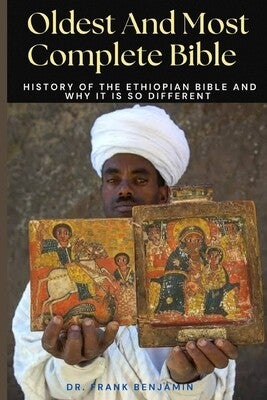

The Complete Ethiopian Orthodox Bible in English: 88 Books, Including Apocrypha, Deuterocanonical Books, Jubilees, Enoch, and The Lost Scriptures
https://www.amazon.com/Complete-Ethiopian-Orthodox-Bible-English/dp/B0DL7C8WN6
1947 documented dates by wiki and ChatGPT Etc are often misdirected... Before or after... Like here to 1946...

First to translate the New Testament directly from Greek to English (1526).
WHY SO MANY CHANGES, AND AT TIMES THAT COINCIDE WITH MAJOR EVENTS.
Dead Sea Scrolls Bible
From the dramatic find in the caves of Qumran, the world's most ancient version of the Bible allows us to read the scriptures as they were in the time of Jesus.


Dead Sea Scrolls (1947–1956):
Though mostly Old Testament, these revolutionized understanding of the Jewish background of the NT.


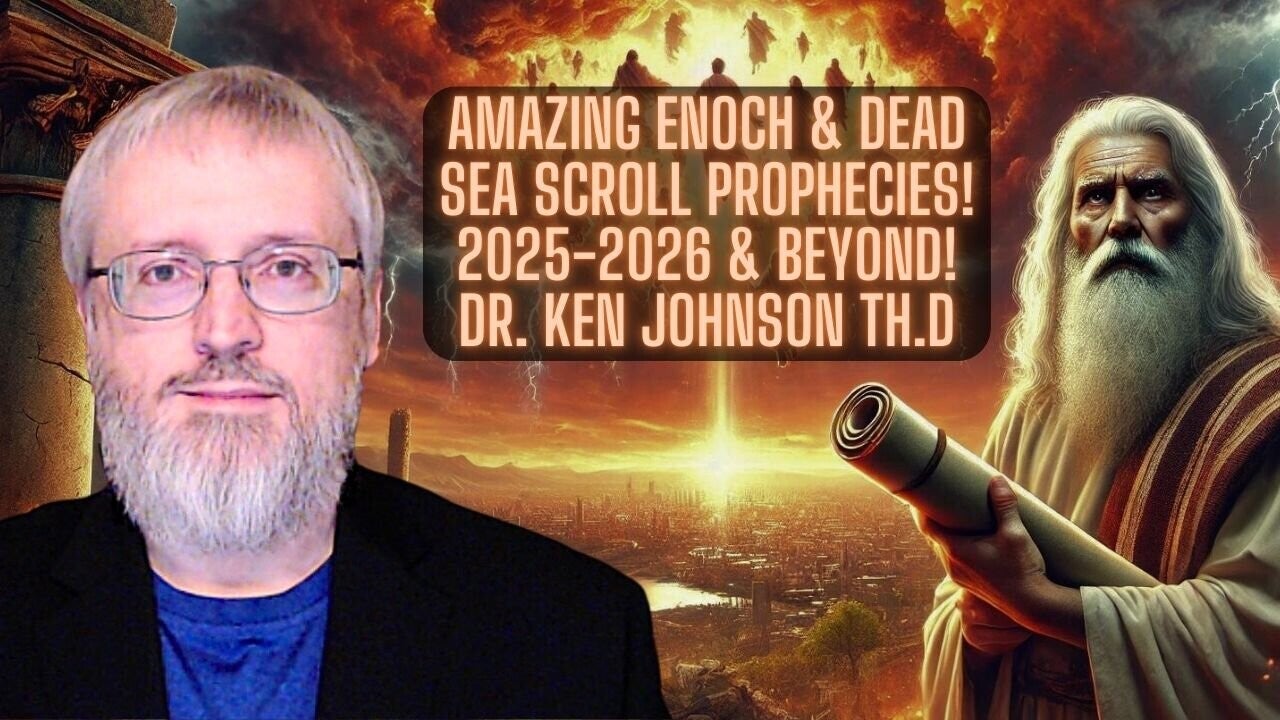
Genesis 6:4... Psalm 82... Dead Sea Scrolls... 1st Enoch... Mt. Hermon... take your evidential pick!
https://imgflip.com/gif/7il5wt "Clearly it's fallen angels"


Greek NT editions (Nestle-Aland)1947-56





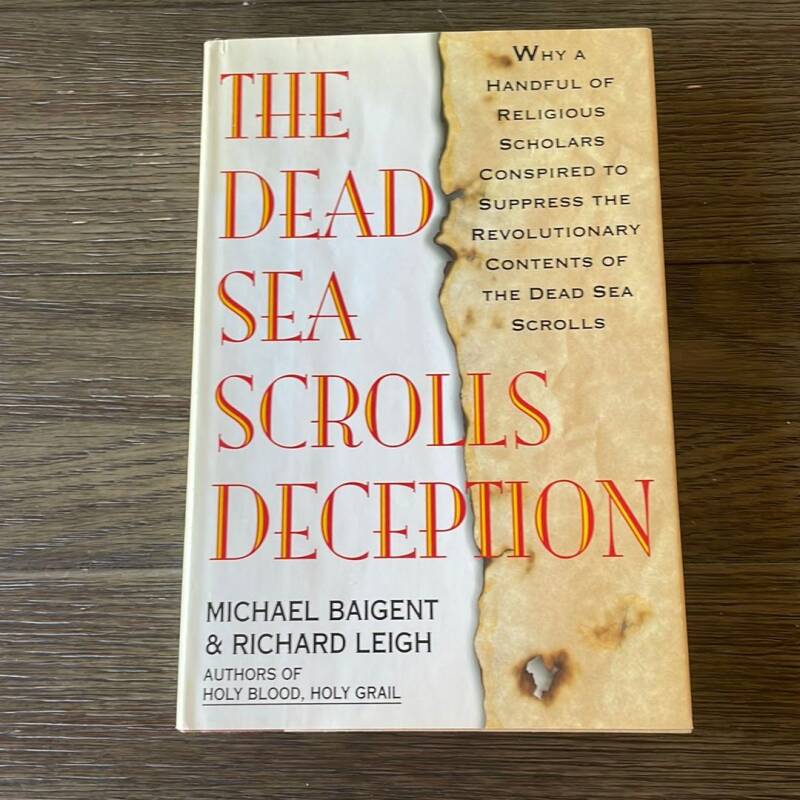
THE NEW ENGLISH BIBLE, 1961 OXFORD / CAMBRIDGE PRESS
1946 - Reference preface states - Recommended Bible be translated & made in language of the present day
A completely new translation be made, rather than a revision
1947 January - 2ND Conference - Created a joint committee on the new translation of the bible
Met for the 1st time in July 1947
1948 January - 3rd meeting invitation sent out
Work of translation was entrusted to four panels
Old Testament the Apocrypha, the New Testament, and literary version of the whole
350 years after The King James Bible.
REVISED - Standard Version (RSV)1952Balanced accuracy and readability; widely used in mainline churches.
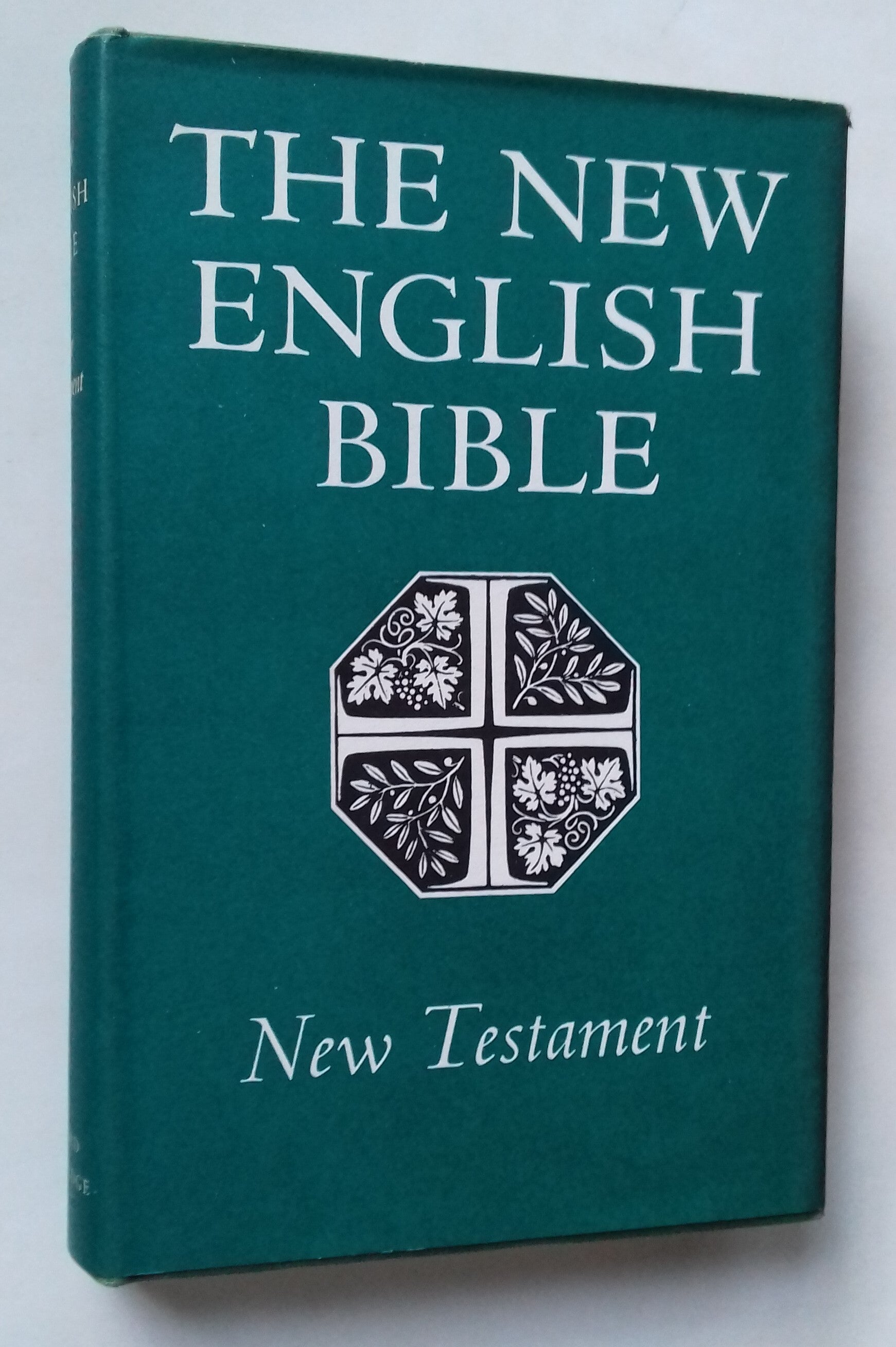

English Bible Translation Comparison chart is an unending work in progress.

THE REASON FOR THE TRANSITION FROM THE OLD TESTAMENT TO THE NEW TESTAMENT
WAS THE BIRTH OF JESUS CHRIST
PERHAPS DISTANCING ISRAEL?? AGAIN SEPARATED IN 1947/48
Old Testament, the nation of Israel is back in the land of Palestine

BEWARE - CHATGPT MISS / INFORMATION
Basic history of the New English Bible (NEB) — a significant modern translation from the 20th century:
📖 New English Bible (NEB) – Basic History
🗓️ Overview:
-
Published:
-
New Testament – 1961
-
Complete Bible – 1970
-
-
Country: United Kingdom
-
Translation Type: Dynamic equivalence (thought-for-thought)
-
Purpose: To create a completely new translation from the original languages (not a revision of earlier versions like the KJV or RSV), in contemporary English.
📚 Key Features:
-
Commissioned by major British churches, including:
-
The Church of England
-
Church of Scotland
-
Methodist, Baptist, and other Protestant denominations
-
-
Translators were scholars of Hebrew, Greek, and English literature.
-
Focused on literary quality and clarity in modern English rather than strict literalism.
🔤 Language Style:
-
Modern, idiomatic English of the mid-20th century.
-
Avoided traditional “Bible English” (like "thee/thou").
-
Some critics said it was too free in rendering the original Greek and Hebrew.
📘 Follow-up: The Revised English Bible (REB) – 1989
-
The NEB was revised and updated as the Revised English Bible (REB) in 1989.
-
REB made the language more inclusive and polished some of NEB’s more awkward phrases.
-
Still widely used in British churches, academia, and private study.
🧾 Summary Table
FeatureDetailFirst Published (NT)1961Full Bible Published1970Translation MethodDynamic equivalenceOriginal Languages UsedHebrew, Aramaic, GreekTarget AudienceModern English readers (UK)Follow-up VersionRevised English Bible (REB), 1989
DETAILED HISTORY OF THE ENGLISH NEW TESTAMENT
🔹 1. Pre-Reformation Translations (Before 1500)
Old English Period (c. 700–1100)
-
Individual passages from the Gospels were translated into Old English (e.g., by Bede, Aldhelm).
-
These were mostly interlinear glosses (word-for-word aids), not full translations.
Middle English Period (c. 1100–1500)
-
John Wycliffe and his followers (the Lollards) translated the entire Bible, including the New Testament, into Middle English (c. 1382–1395).
-
Wycliffe’s translation was based on the Latin Vulgate, not the original Greek.
-
Banned by Church authorities – owning or reading it could lead to imprisonment or execution.
🔹 2. The Reformation & Early Printed English New Testaments (1500s)
William Tyndale (c. 1494–1536)
-
First to translate the New Testament directly from Greek to English (1526).
-
Based on Erasmus’s Greek NT (Textus Receptus).
-
His translation was smuggled into England — revolutionary for its clarity and accuracy.
-
Executed (1536) for heresy, but much of his wording lives on in later versions (e.g., KJV).
Miles Coverdale (1535)
-
Completed the first full printed English Bible (NT + OT).
-
Used Tyndale’s NT and the Vulgate/Latin texts for the rest.
Matthew’s Bible (1537) – under the name “Thomas Matthew” (actually John Rogers).
-
Combined Tyndale’s NT and parts of OT with Coverdale’s work.
The Great Bible (1539) – authorized by King Henry VIII.
-
First authorized English Bible to be read aloud in churches.
-
Based largely on Coverdale’s version.
🔹 3. The King James Version (1611)
-
Commissioned by King James I of England.
-
A team of 47 scholars used Greek manuscripts (Textus Receptus) for the New Testament.
-
Its language, rhythm, and structure deeply shaped English literature and Protestant theology.
-
Revised over time:
-
1769 edition (by Blayney) is the standard KJV used today.
-
-
Dominant English Bible for over 300 years.
🔹 4. 19th Century: Discovery, Revision, and Criticism
Growing awareness of older Greek manuscripts:
-
Codex Sinaiticus and Codex Vaticanus challenged the Textus Receptus.
-
Scholars recognized that the KJV was based on later, less reliable manuscripts.
Revised Version (RV, 1881)
-
First official English revision of the KJV using older manuscripts.
-
Aimed at scholarly accuracy over literary beauty.
-
Not widely adopted for public reading.
🔹 5. 20th Century Explosion of Translations
Key Reasons:
-
Need for modern language.
-
Better access to ancient manuscripts.
-
Different goals: study, devotion, liturgical use, mission work.
Notable Translations:
VersionYearNotesAmerican Standard Version (ASV)1901Based on RV, very literal.Revised Standard Version (RSV)1952Balanced accuracy and readability; widely used in mainline churches.New American Standard Bible (NASB)1971Very literal, good for study.New International Version (NIV)1978Aimed at clarity and natural English; widely used among evangelicals.New King James Version (NKJV)1982Modernized KJV language, still based on Textus Receptus.New Revised Standard Version (NRSV)1989Gender-inclusive, used in academia and churches.English Standard Version (ESV)2001Conservative, formal equivalence, popular in Reformed churches.The Message2002Paraphrase by Eugene Peterson, aimed at devotional use.Christian Standard Bible (CSB)2017Middle-ground between literal and readable.
DETAILED HISTORY OF THE NEW TESTAMENT IN THE MODERN ERA (1500s–Present)
🕊️ 1. The Protestant Reformation (1500s)
Context:
-
The Catholic Church controlled Bible access; most people could not read Latin.
-
Reformers wanted to return to the original biblical texts and vernacular translations.
Key Figures & Events:
-
Martin Luther (Germany)
-
Translated the NT into German (1522).
-
Based his work on Greek texts, especially Erasmus's edition (see below).
-
-
William Tyndale (England)
-
Translated the NT into English from Greek (1526).
-
Executed for his efforts; his translation influenced later versions like the King James Bible.
-
📜 2. The Textus Receptus and Early Greek Texts (1500s–1600s)
Erasmus (1516):
-
Published the first printed Greek New Testament, called the Textus Receptus.
-
Based on a handful of late medieval manuscripts.
Impact:
-
Used by reformers like Luther and Tyndale.
-
Formed the basis of most early Protestant Bibles, including the King James Version (1611).
📖 3. The King James Version (1611)
-
Commissioned by King James I of England.
-
Based on the Textus Receptus (Greek) and earlier English translations.
-
Known for its literary beauty and influence on English-speaking Christianity.
-
Became the dominant English Bible for over 300 years.
📚 4. Rise of Textual Criticism (1700s–1800s)
Goal:
-
Reconstruct the original NT text using the oldest and best manuscripts.
Major Discoveries:
-
Scholars began collecting and comparing ancient manuscripts.
-
Recognized that the Textus Receptus was based on late and limited texts.
Key Figures:
-
Johann Jakob Griesbach, Karl Lachmann, Brooke Westcott & Fenton Hort (1881):
-
Westcott & Hort developed a new Greek NT based on older manuscripts like:
-
Codex Sinaiticus (4th c.)
-
Codex Vaticanus (4th c.)
-
-
🧾 5. Major Manuscript Discoveries (1800s–1900s)
Codex Sinaiticus (discovered 1844–1859):
-
One of the oldest complete New Testaments.
-
Found in St. Catherine's Monastery (Sinai Peninsula).
Codex Vaticanus:
-
Housed in the Vatican Library.
-
Extremely important early witness to NT text.
Chester Beatty Papyri (1930s) and Bodmer Papyri (1950s):
-
Fragments of NT books from the 2nd–3rd centuries, much earlier than previously available.
Dead Sea Scrolls (1947–1956):
-
Though mostly Old Testament, these revolutionized understanding of Jewish background of the NT.
🌍 6. 20th–21st Century: Modern Translations & Global Impact
Modern Greek Editions:
-
Nestle-Aland Greek NT (first edition in 1898, now 28th ed.)
-
United Bible Societies (UBS) Greek NT – widely used for translation and scholarship.
Major English Translations:
-
Revised Standard Version (RSV) – 1952
-
New International Version (NIV) – 1978
-
New Revised Standard Version (NRSV) – 1989
-
English Standard Version (ESV) – 2001
-
The Message – paraphrase (2002)
Goals of Modern Translations:
-
Accuracy to original Greek.
-
Readability in modern language.
-
Tailored for different audiences (academic, devotional, liturgical).
🌐 7. Globalization and Bible Translation (1900s–Present)
Bible Societies:
-
Wycliffe Bible Translators, United Bible Societies, and others have worked to:
-
Translate the New Testament into over 3,500 languages.
-
Make Scripture available in print, digital, and audio formats.
-
Digital Access:
-
Bible apps (e.g., YouVersion) allow free global access.
-
Tools like Bible Gateway, Logos, and Step Bible support deep study.
🧠 8. Scholarly Developments (1900s–Today)
Key Trends:
-
Historical Jesus research: Who was the real Jesus behind the Gospels?
-
Literary criticism: Focus on genre, narrative, and theology.
-
Social-scientific approaches: Explore early Christianity in its Roman-Jewish context.
-
Textual criticism: Continues to refine the NT text using thousands of manuscripts.
Ongoing Debates:
-
Authorship and dating of NT books.
-
Canonical vs. non-canonical gospels (e.g., Gospel of Thomas).
-
Gender, politics, and social justice in biblical interpretation.
📊 Summary Timeline (Modern Era)
YearEvent1516Erasmus publishes first printed Greek NT (Textus Receptus)1522Luther’s German NT1526Tyndale’s English NT1611King James Version (KJV)1800sTextual criticism develops1844–59Codex Sinaiticus discovered1900sModern Greek NT editions (Nestle-Aland)1947–56 Dead Sea Scrolls discovered1952–TodayDozens of modern English translationsTodayNT available in 3,500+ languages, online, audio, apps
OR - CORRECTION, AS ABOVE - Dead Sea Scrolls (1947–1956)
New Testament, covering its origins, development, and canonization:
📜 1. Historical Context (1st Century CE)
Background
-
The New Testament was written in the decades following the life, death, and resurrection of Jesus of Nazareth (c. 4 BCE – 30 CE).
-
Early Christian communities spread across the Roman Empire, especially in Palestine, Asia Minor (Turkey), Greece, and Rome.
✍️ 2. Writing of the New Testament (c. 45–100 CE)
Languages:
-
Written entirely in Koine Greek, the common language of the Eastern Roman Empire.
Major Categories of Books:
-
The Gospels (4 books)
-
Matthew, Mark, Luke, John
-
Narratives of Jesus’ life, teachings, miracles, death, and resurrection.
-
Mark (c. 65–70 CE) is likely the earliest.
-
John is the most theologically distinct and likely the last (c. 90–100 CE).
-
-
Acts of the Apostles
-
Sequel to Luke’s Gospel; tells the story of the early Church and the work of Peter and Paul.
-
-
Pauline Epistles (13 letters)
-
Letters written by Paul the Apostle to early Christian communities (e.g., Romans, Corinthians).
-
Earliest NT writings—1 Thessalonians (c. 50 CE) is likely the first NT book written.
-
-
General Epistles (8 letters)
-
Letters by other apostles (e.g., James, Peter, John, Jude).
-
Address wider Christian audiences.
-
-
Revelation
-
Apocalyptic vision written by John of Patmos.
-
Likely written during Roman persecution (c. 95 CE).
-
📚 3. Collection and Circulation (1st–3rd Century)
-
Letters and Gospels were copied and circulated among churches.
-
No single New Testament yet—different communities valued different texts.
-
Some used texts we no longer consider canonical (e.g., Gospel of Thomas, Shepherd of Hermas).
📜 4. Formation of the Canon (2nd–4th Century)
Key Developments:
-
Marcion (c. 140 CE) proposed a limited canon (only Luke + 10 Pauline letters), prompting the Church to clarify which books were authoritative.
-
Muratorian Fragment (c. 170 CE): early list of accepted books—close to the modern NT.
-
Church Fathers (e.g., Irenaeus, Tertullian, Origen) cited authoritative texts, helping form consensus.
✅ 5. Finalization of the Canon (4th Century)
-
Council of Carthage (397 CE): affirmed the 27 books of the New Testament we have today.
-
This recognition reflected long-standing usage, not a sudden invention.
📖 6. Transmission and Translation
Key Milestones:
-
Vulgate (c. 405 CE) – Latin translation by Jerome; standard in the Western Church.
-
Byzantine Text preserved in the East (Greek-speaking churches).
-
Manuscripts were copied by hand until the printing press (15th century).
🌍 7. Modern Era
-
Textual Criticism developed in the 18th–21st centuries to reconstruct the earliest forms of the text using thousands of ancient manuscripts.
-
Dozens of modern English translations now exist (e.g., NIV, ESV, NRSV).
-
The New Testament has been translated into over 3,000 languages.
Summary Table
PeriodKey Events45–100 CENT books written100–200 CELetters/Gospels circulated, local collections200–300 CEDisputes over some books, growing consensus300–400 CECanon formalized (27 books)400–1500 CELatin Vulgate dominant in West1500s–TodayReformation, translations, modern scholarship
Brief history of the Bible:
1. Origins (c. 1400–400 BCE) – The Hebrew Bible / Old Testament
-
Language: Mostly Hebrew, with some Aramaic.
-
Content: The Bible began as a collection of oral traditions and writings among the ancient Israelites.
-
Books: Includes the Torah (Law), the Prophets, and the Writings—what Christians call the Old Testament.
-
Authors: Various—priests, prophets, scribes—over centuries.
2. Greek Translation (c. 250–100 BCE) – The Septuagint
-
Language: Greek.
-
Context: Jewish communities in the Greek-speaking world needed scriptures in their own language.
-
Septuagint: The Greek translation of the Hebrew Bible; included some additional books (now called Deuterocanonical or Apocrypha).
3. The New Testament (c. 45–100 CE)
-
Language: Greek.
-
Content: Gospels, letters (Epistles), Acts, and Revelation.
-
Authors: Early Christian leaders like Paul, Matthew, Luke, John, etc.
-
Focus: Life, teachings, death, and resurrection of Jesus Christ.
4. Early Collections & Canon Formation (2nd–4th Century)
-
Christians began collecting and using certain books as authoritative scripture.
-
Canon finalized by various councils (e.g., Council of Carthage in 397 CE).
-
Disputes existed over certain books (e.g., Revelation, James).
5. Latin Translation (c. 400 CE) – The Vulgate
-
Translator: Jerome.
-
Language: Latin.
-
Importance: Became the standard Bible for the Western (Catholic) Church for over 1,000 years.
6. The Bible in the Middle Ages
-
Latin Bible used in churches.
-
Few people could read Latin, so access was limited.
-
Some vernacular translations appeared but were rare and sometimes discouraged by the Church.
7. The Reformation & Printing Press (1500s)
-
Key Event: Martin Luther and others called for reforms and promoted vernacular Bibles.
-
Invention: The printing press (c. 1440) made mass production possible.
-
Impact: Bibles were translated into many languages (e.g., Luther’s German Bible, the English King James Version in 1611).
8. Modern Translations (1800s–Today)
-
Scholars continue translating the Bible using ancient manuscripts.
-
Many versions exist today (e.g., NIV, ESV, NRSV).
-
The Bible is now the most translated book in history—over 3,500 languages.

Create Your Own Website With Webador