1795 NATIONAL SECURITY! TREASONABLE PRACTICES AND SEDITIOUS MEETINGS ACT!
Echoes of freedom: the 1795 act and today's liberties
Dive deep into the historical shadow of the 1795 National Security Act, a legislative measure that profoundly curtailed civil liberties in an era of perceived national threat.
Understanding this moment reveals how readily governments can sacrifice fundamental rights at the altar of security, a lesson as vital today as it was in the late 18th century.





When national security became a death blow to the constitution
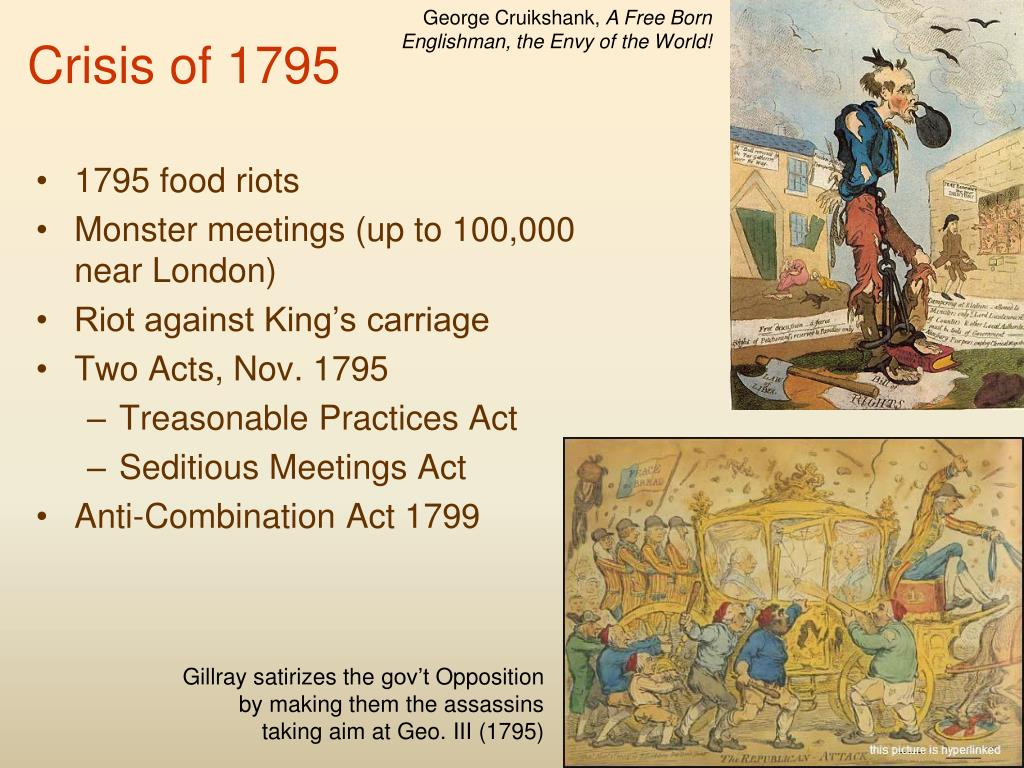
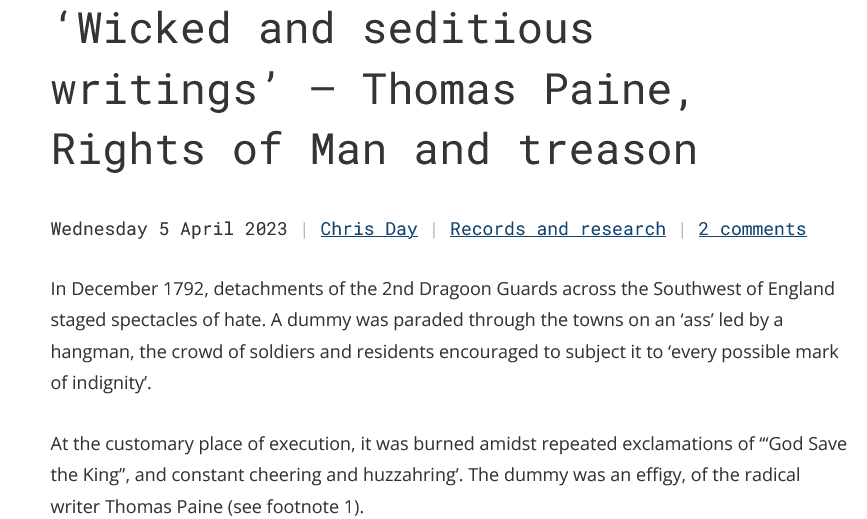
The 1795 Act, officially known as the Treasonable Practices and Seditious Meetings Act, was enacted amidst fears of revolution inspired by France. Charles James Fox famously declared it "a death blow to the constitution." This period starkly illustrates how supposed "international emergencies" can become ready excuses for politicians to limit civil liberties, setting a dangerous precedent for the erosion of fundamental human rights under the guise of protecting the nation.

Defending humanity: your basic human rights at risk
The lessons from history are clear: every human on Earth needs to understand and actively defend their basic human rights. When these rights are compromised, whether by historical acts like the 1795 Act or modern governmental overreach, we are all at risk. debatemindcontrol aims to illuminate these critical issues, fostering informed discussion about civil liberties and the power of individual agency in an increasingly complex world.

The mind's frontier: legal control and the birth of a concept
Intriguingly, the 1795 Act's context came just two years before the emergence of the "air loom", often cited as the 1st documented "mind control machine" in 1797. This era also saw James Tilly Matthews, a political activist, claim he was subjected to thought manipulation and "cried treason" in the English parliament. This historical convergence highlights how early perceptions of "national security" were intertwined with notions of control, offering a fascinating parallel to modern discussions of machine mind control and the legal methods of control that debatemindcontrol explores.
View our latest work = NEW PAGES SITE MAP 2026!
Dangerous Talk: https://www.goodreads.com/en/book/show/7615563-dangerous-talk

Treason Act 1795 Repeal: The act was repealed on September 30, 1998.
Seditious Meetings Act 1795 Repeal: This act was repealed on July 12, 1869.





BOOK GETTING IT WRONG, FRAGMENTS FROM CYPRUS DAIRY IN 1964




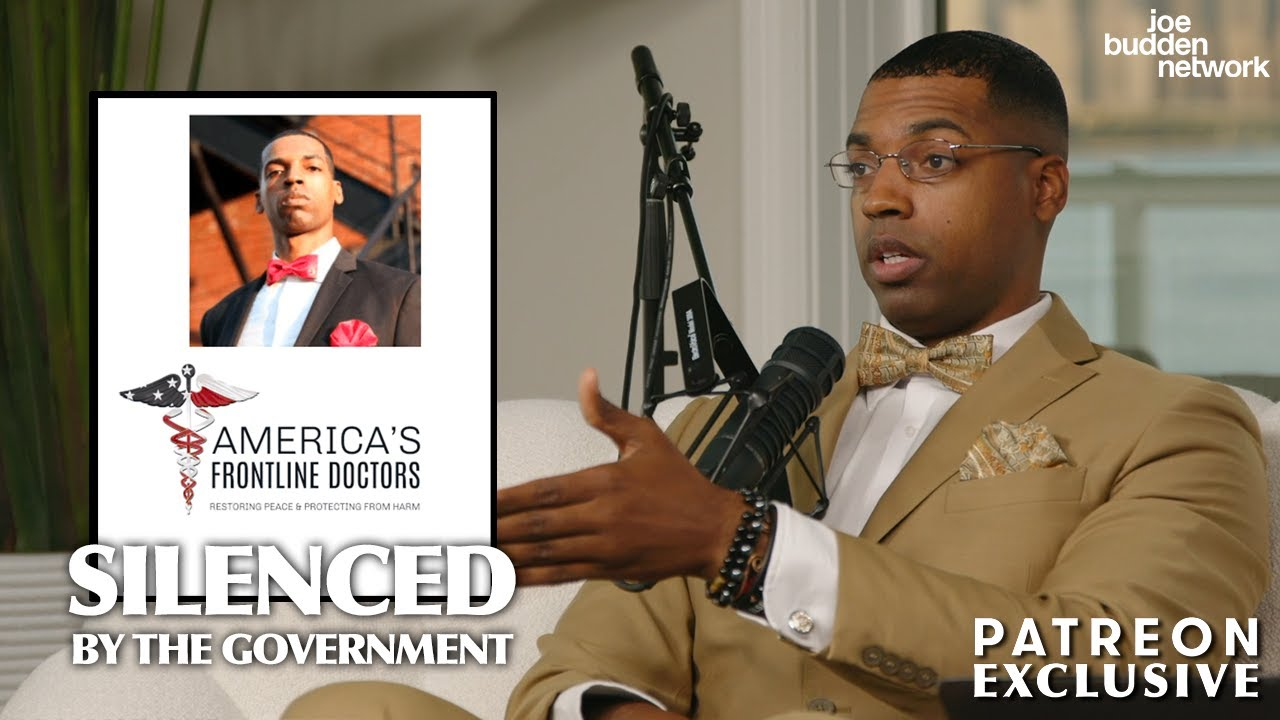
MAN SILENCED BY GOVERNMENT FOR RECORDING GIANT? OR A HOAX - YouTube
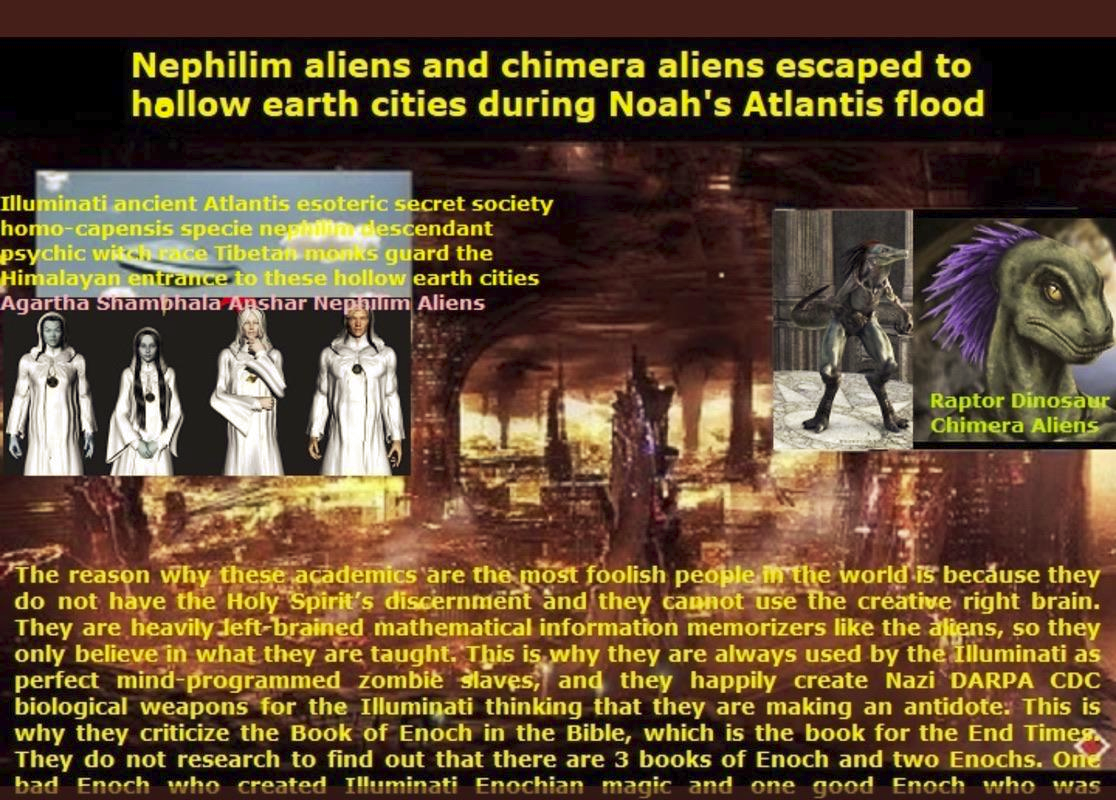
WHY HAVE GOVERNMENTS AND CHURCH DENY GIANTS EXIST? - BECAUSE THEY ARE ALIENS - FALLEN ANGELS - NEPHILM
WHY DO THEY DENY ALIENS? 0 BECAUSE MANY ARE VERY EVIL, POWERFUL AND USE MIND CONTROL!
1 ALIENS & GIANTS HAVE ALWAYS EXISTED! 2 GIANTS REALLY EXIST/ EXISTED CONTI
3 Smithsonian institute destroyed Giant Bones 4 Giant skeletons MEDIA BAN! Since 1950’s!
5 Tallest GIANT skeleton on exhibit in North America 7’6” tall Philadelphia, PA 6 GIANT NEPHILIM GILGAMESH FOUND ALSO Giant Tyrant Who Rebelled Against God
7 MAXIMINUS THRAX A "GIANT" CAESER OF ROME!
8 NEPHILIM ALIEN ANUNNAKI /CHIMERA'S/ "CONTINUED" EXPERIMENTS / MK ULTRA



NO WHERE IS SAFE TO SPEAK ABOUT SECRETS!


I DOUBT IF ANY NON TI TARGETED INDIVIDUAL CAN POSSIBLY IMAGINE THE 24/7 FEAR OF WIRELESS MK ULTRA V2K! AND REMOTE TORTURE!


Create Your Own Website With Webador